

Gambling traditions Exploring diverse cultural perspectives around the world
The Historical Roots of Gambling
Gambling is woven deeply into the fabric of human history, with evidence of gaming activities dating back thousands of years. In ancient civilizations such as Mesopotamia, gambling played a significant role in social interactions and was often linked to rituals. For instance, the earliest known dice, made from bone, were discovered in ancient Iran, suggesting that people have always sought ways to test their luck and fortune through games of chance. Today, one can access a modern platform like Pinco Casino Canada – Official Site, CAD Bonuses & Sportsbook, which reflects the evolving nature of this timeless pursuit.

As societies evolved, so did their gambling customs. In ancient Rome, for example, citizens engaged in betting on gladiatorial games, showcasing the blend of entertainment and risk. Similarly, in China, gambling activities were formalized with the development of games like Mahjong and Keno, which are still popular today. These historical practices highlight that gambling has transcended cultural boundaries, adapting to local beliefs and lifestyles.
Understanding the historical significance of gambling allows us to appreciate its diverse forms across the globe. Many cultures have adopted gambling as a social pastime, turning it into an integral part of celebrations and communal activities. By exploring these origins, we can see how gambling traditions continue to influence modern gaming, making it a unique intersection of history and cultural identity.
Cultural Variations in Gambling Practices
Diverse cultures showcase a rich tapestry of gambling traditions, each with unique customs and games. In India, for instance, gambling is often associated with festivals such as Diwali, where traditional games like Teen Patti attract players from all walks of life. This cultural practice not only brings people together but also emphasizes the celebration of chance and fate within a communal setting.
In contrast, Japan has a distinctly different approach to gambling with its legal framework governing games like Pachinko. Pachinko parlors serve as entertainment hubs, blending traditional gaming with modern aspects. The Japanese view on gambling often includes a nuanced relationship with luck, where skill and strategy play a vital role alongside chance, showcasing a complex cultural understanding of risk and reward.
Western cultures present yet another perspective, particularly through the lens of casinos in Las Vegas. The glitz and glamour of Las Vegas are synonymous with the gambling experience, attracting millions each year. Here, gambling is framed as an exhilarating form of entertainment, reflecting both the allure of risk and the pursuit of fortune. These variations highlight how cultural contexts shape gambling practices, making them unique to each society.
The Impact of Technology on Gambling Traditions
Technological advancements have significantly transformed gambling traditions, reshaping how people engage with games of chance. Online gaming platforms have emerged as a popular alternative to traditional casinos, providing convenience and accessibility. This shift has allowed players from different cultural backgrounds to explore diverse gambling options without geographical constraints, thereby broadening their perspectives on gaming.
Mobile technology further enhances this transformation, enabling players to gamble anytime and anywhere. Applications designed for smartphones have made it possible to engage in various games, including poker and sports betting, all at the fingertips of users. This evolution has not only increased participation in gambling but also introduced new challenges and considerations regarding responsible gaming and addiction.
As technology continues to shape the gambling landscape, cultural traditions may also adapt. For instance, live dealer games aim to replicate the immersive experience of physical casinos while accommodating modern preferences. This blend of traditional and contemporary elements can enrich cultural gaming practices, ensuring that they remain relevant in an ever-changing environment.
Challenges and Awareness of Gambling Addiction
While gambling can be an enjoyable pastime, it can also lead to severe issues such as gambling addiction. Many cultures acknowledge the risks associated with gambling, advocating for awareness and responsible gaming practices. Education about the signs of gambling addiction is crucial, as recognizing these signs can help individuals seek help and support from loved ones or professionals.
Cultural attitudes toward gambling addiction vary widely. In some societies, the stigma surrounding addiction may prevent individuals from seeking help, perpetuating cycles of secrecy and shame. Initiatives aimed at raising awareness, such as community workshops and online resources, play a vital role in combating this stigma, promoting a healthier dialogue around gambling behaviors.
Understanding the cultural implications of gambling addiction is essential for developing effective prevention strategies. Collaborations between cultural leaders, mental health professionals, and gaming organizations can foster a proactive approach to addressing addiction, ensuring that individuals have access to the resources they need to maintain a balanced relationship with gambling.
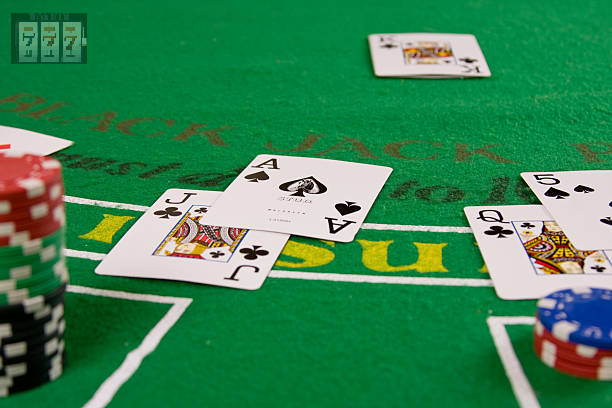
Exploring Online Gambling Platforms
As the popularity of gambling continues to grow globally, online platforms have emerged as a dominant player in the industry. These virtual spaces provide a diverse range of games, from classic table games to innovative slot machines, catering to various preferences. Players can explore different cultural interpretations of gambling through online platforms, which often showcase games inspired by various traditions.
For example, some online casinos include traditional games from specific cultures, enabling players to experience a piece of that culture while engaging in gaming. This fusion of cultural elements in online gambling can enhance the overall experience, offering players a unique blend of entertainment and education about global traditions.
Moreover, responsible gaming features on these platforms are essential for promoting healthy gambling practices. Many online casinos offer resources and tools to help players manage their gaming activities, such as deposit limits and self-exclusion options. By prioritizing player welfare, these sites can create a safer gaming environment that respects and acknowledges the diverse cultural backgrounds of their users.